Securing a desert property requires an unyielding, perimeter-first pest control service in Chandler designed around Sonoran microclimates and regional construction standards. From the heavy expansion-joint shifting in Galveston to the landscaped waterfront corridors across Ocotillo, interior pest sightings stem directly from compromised exterior thresholds.

Pest Control Service in Chandler is an exterior-focused physical and micro-encapsulated chemical defense system designed to intercept desert scorpions, subterranean termites, and foraging rodents before they breach residential building envelopes.
Every service reflects the same meticulous attention to detail, whether it's a single job or a larger pest control service project across Chandler.
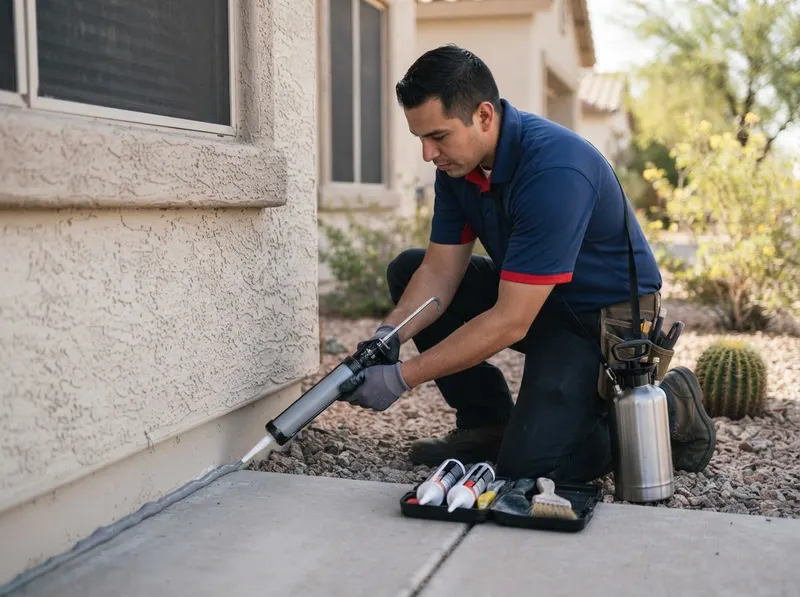
Bark scorpions (Centruroides sculpturatus) exploit stucco weep screeds, expansion joints, and concrete cold joints to enter living quarters. This protocol combines high-output UV blacklight property mapping, stainless mesh sealing over foundation weep screeds, and a wide-band micro-encapsulated synthetic pyrethroid perimeter barrier that resists thermal degradation up to 125 degrees Fahrenheit. Monthly perimeter fortifying neutralizes cricket and roach food reservoirs, driving scorpion mortality. Technicians mechanically inspect stem-wall flashing, utility penetrations, and expansion gaps around French doors, caulking structural voids with elastomeric sealants that withstand extreme desert solar exposure. By systematically denying scorpions access to sub-floor voids, nurseries and ground-floor master bathrooms remain completely isolated from exterior populations.
Get a quote →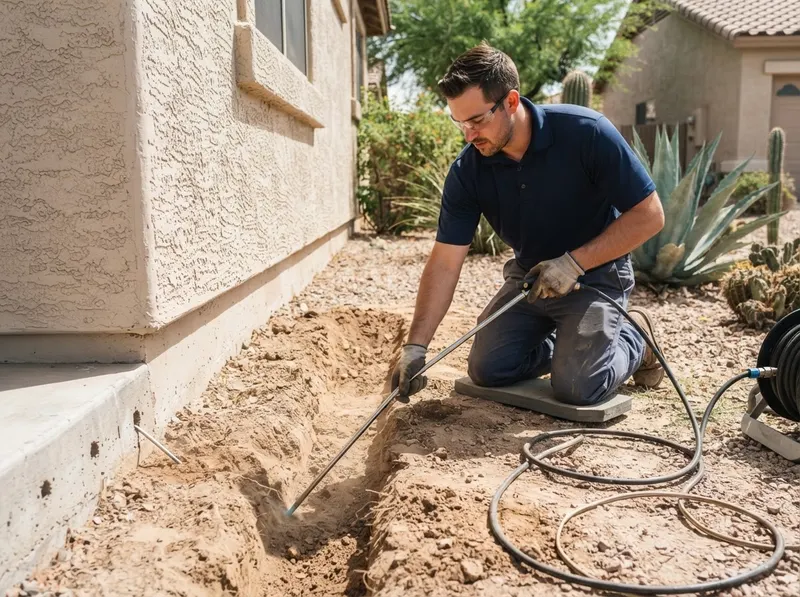
Heterotermes aureus colonies live deep within Maricopa County caliche subsoils, using moisture tracks alongside post-tension foundation slabs. Technicians trench continuous 6-inch by 6-inch perimeters around foundation stem walls, rodding non-repellent fipronil termiticides directly into subterranean transport zones. Where abutting concrete patios or tiled entryways prevent direct trenching, precision slab drilling deposits targeted chemical barriers without damaging post-tension structural cables. Non-repellent active agents allow worker termites to transfer lethal dosages back to reproductive queens via grooming interactions, collapsing entire subterranean network nests within 60 to 90 days of continuous soil saturation without requiring disruptive interior floor demolition.
Get a quote →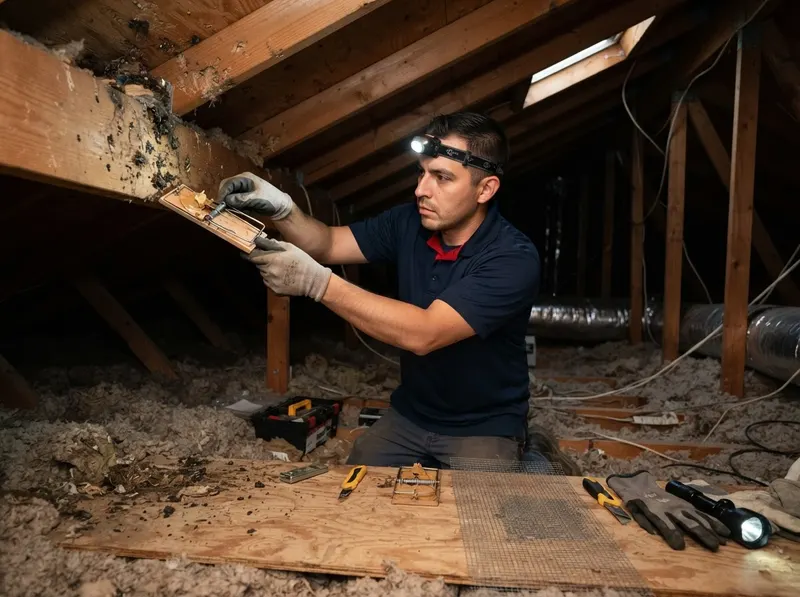
Rattus rattus populations leverage citrus trees, oleander hedges, and tile roofs across residential Chandler to nest within blown attic insulation. This protocol deploys heavy-gauge copper mesh and 1/4-inch galvanized hardware cloth over roof returns, attic dormers, utility conduits, and plumbing stacks. Inside the attic, technicians install non-toxic snap-trap lines inspected every 48 hours until zero activity is detected, avoiding indoor secondary odor hazards from rodenticides. Contaminated insulation zones are localized, feces are vacuumed utilizing critical-filtration HEPA systems, and an enzymatic biocidal fogging agent is misted throughout the attic cavity to neutralize pheromone scent markers that attract wandering exterior colonies.
Get a quote →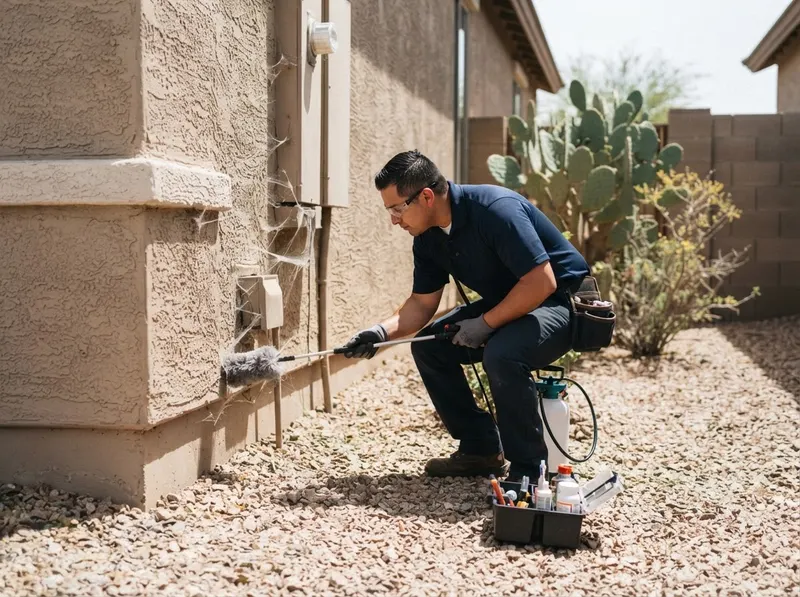
Latrodectus hesperus targets dark, low-disturbance exterior voids such as water meter boxes, irrigation valve covers, pool equipment pads, and exterior patio eaves. Treatment includes physical cobweb brushing with micro-fine silica dust, granular perimeter insecticide dispersion, and liquid barrier applications to exterior eaves and block wall foundations. Specialized crack-and-crevice treatments eliminate the egg sacs before spiderlings disperse via ballooning threads. Technicians meticulously treat the internal lips of subsurface valve enclosures, perimeter cinder-block core openings, and recessed landscape lighting pockets, extinguishing both mature female specimens and subterranean harborages that harbor sustained populations throughout the desert summer.
Get a quote →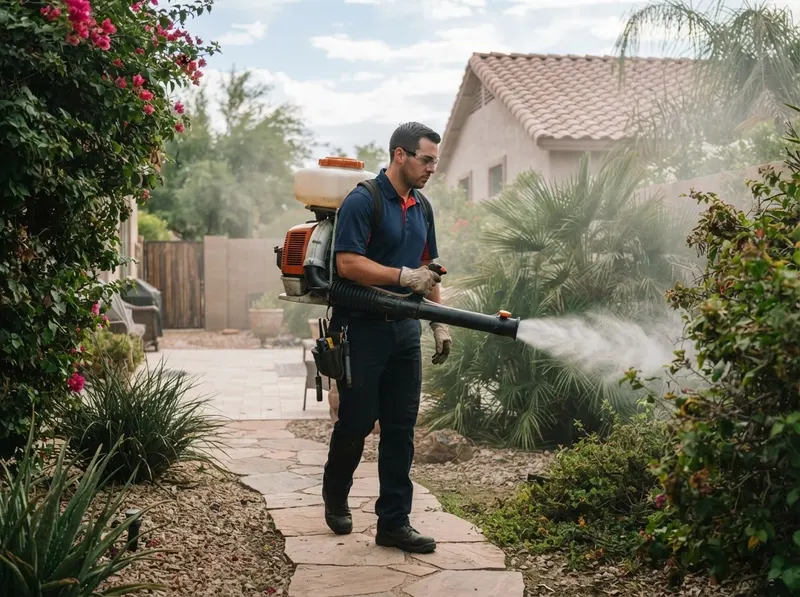
Chandler summer micro-climates and retention basins produce intense surges of Culex mosquitoes following July and August monsoon cloudbursts. Remediation utilizes ultra-low volume (ULV) cold misting directed through shaded plant canopies, combined with natural Bacillus thuringiensis israelensis (BTI) microbial larvicide briquettes deposited inside French drains, low-flow retention swales, and decorative water features to stop breeding cycles. Because female mosquitoes require standing water to complete their egg-to-adult metamorphism within 7 to 10 days during July heat, treating subsurface storm basins, landscape drain collection wells, and decorative pond perimeters systematically interrupts regional reproductive vector cycles.
Get a quote →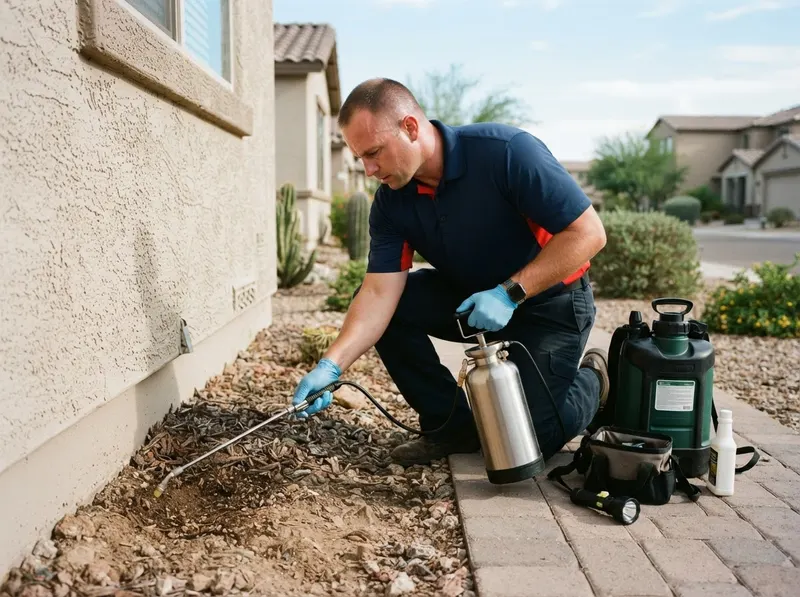
Turkestan cockroaches nest inside exterior meter vaults and decorative river-rock beds, while German cockroaches colonize interior wall voids and kitchen cabinets. Exterior defenses combine water-resistant pyrethroid granules flooded into landscape rock seams with insect growth regulators (IGRs) that disrupt molting. Interior commercial or residential flare-ups utilize targeted low-toxicity gel matrices deposited behind electrical cover plates and appliance service panels. Technicians avoid broadcast wet sprays inside living spaces, focusing bait placements precisely inside mechanical hinge voids, hollow kick plates, and plumbing wall intrusions where cockroaches groom, ingest active insect growth inhibitors, and eliminate localized nesting clusters.
Get a quote →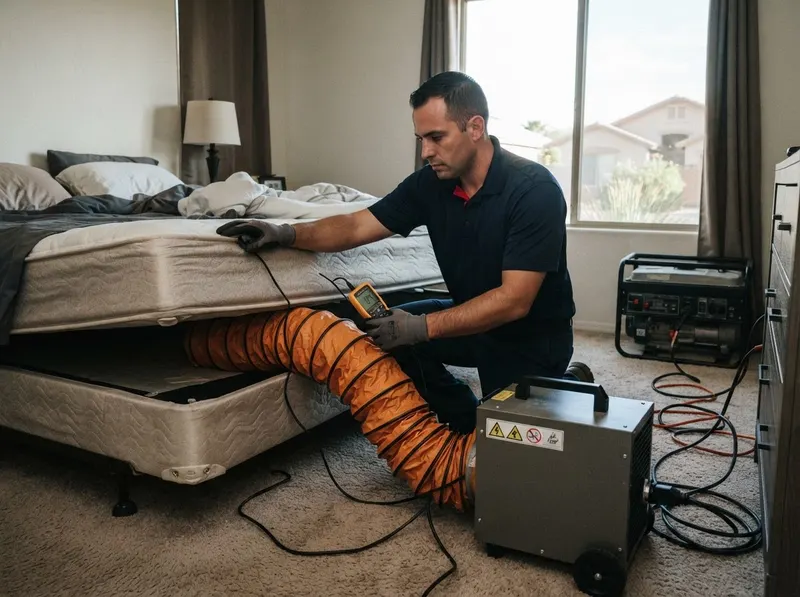
Cimex lectularius infestations within domestic mattresses, headboards, and baseboards resist over-the-counter synthetic sprays. Structural thermal remediation elevates ambient room temperatures to a sustained lethal threshold between 122 and 135 degrees Fahrenheit using high-output industrial convection heaters and high-velocity air movers. Heat penetrates mattresses, box springs, and hollow wall voids to eliminate all life stages, including dormant eggs, within a single day. Remote digital thermal sensors placed inside structural depth zones continuously track core temperatures, ensuring that dense furniture frames and framing baseboards absorb sufficient lethal BTUs to guarantee total eradication in one visit without chemical residue.
Get a quote →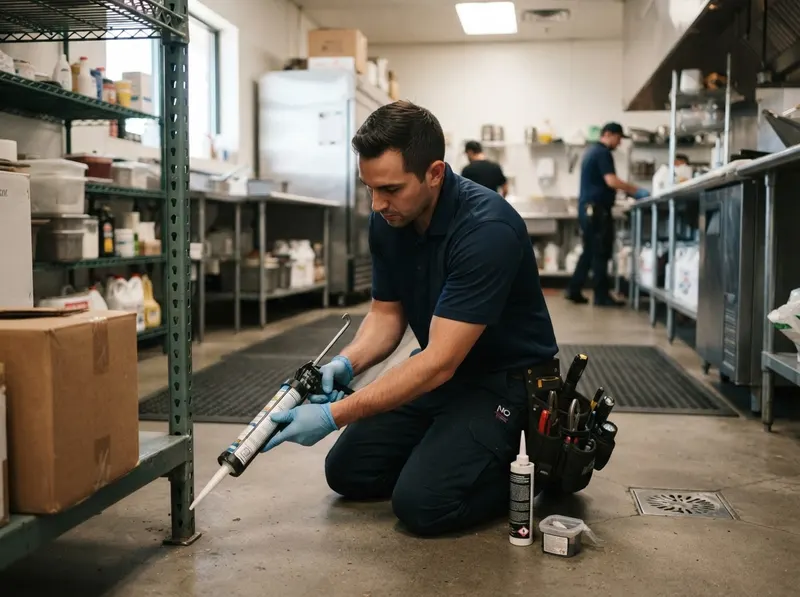
Chandler business operations, distribution centers, and dining establishments require documented compliance under public health sanitization standards. Commercial programs install tamper-resistant exterior rodent monitoring bait stations, insect light traps (ILTs) within loading bays, crack-and-crevice gel baits, and electronic logbook documentation fulfilling health department inspections, organic handling compliances, and industrial third-party audits without chemical drift. Dedicated commercial technicians service loading docks, garbage compactor pads, floor drains, and dry-storage pallet racking on precise weekly or bi-weekly intervals, maintaining auditable exclusion records and electronic trend analyses for facility managers.
Get a quote →You get a firm, itemized quote for your pest control service before any work begins, no surprises, no pressure.
Careful prep, tidy work, and a full cleanup when we are done. We treat your home and belongings like our own.
The same trusted, background-checked team from the first call to the final check.
Selecting the right pest containment protocol depends on target pest biology, structural foundation design, and exterior vegetation density. If interior activity involves bark scorpions, black widows, or desert crickets, prioritize a micro-encapsulated perimeter defense coupled with physical weep-screed screening. If structural framing or drywall exhibits mud shelter tubes, hollowed baseboards, or pinhole drywall punctures, select a targeted subterranean liquid soil barrier or non-repellent bait matrix.
The critical operational trade-off centers on treatment scope versus time: surface-only residual sprays deliver temporary adult mortality within 48 hours but leave structural entry points vulnerable, whereas full mechanical exclusion and deep soil trenching demand rigorous structural preparation but eliminate recurrent colonies across multi-year cycles. When managing roof rats across properties with dense citrus plantings or shared oleander privacy hedges, choosing mechanical exclusion with interior snap trapping resolves the infestation without creating interior carcass odor risks, whereas exterior baiting alone leaves open roof-line voids susceptible to ongoing reinvasion. For multi-unit residential structures or custom slab architectures with abutting paver patios, trenching alone cannot bridge the interior expansion seams; precision sub-slab injection must complement vertical soil perimeters to form a contiguous protective envelope across all structural joints.
Every project gets a firm, written price after a free on-site visit. Ranges below for orientation.
Tell us about your pest control service job and we'll send a clear, written quote, usually the same day. Or just call and talk to a real Chandler pro.
(888) 691-7630
Chandler's flat alluvial topography and dense network of artificial irrigation canals, coupled with artificial lake communities like Ocotillo and Fulton Ranch, create extreme microclimates where pest activity departs from regional desert norms. High exterior soil dampness adjacent to dry caliche layers forces subterranean termites to forge upward against post-tension slab edges, while dense oleander hedges throughout Warner Ranch and Cooper Commons form elevated travel lanes for roof rats moving directly into concrete tile roof interfaces. During monsoon events, severe downpours through Tumbleweed Park and Veterans Oasis Park swamp retention basins, driving Turkestan roaches and bark scorpions out of saturated landscape gravel directly across foundation expansion joints into ground-floor living rooms. In older downtown developments around Galveston and Pecan Grove, mature shade canopies, ground settle along shallow stem walls, and aged plumbing infrastructure create chronic entry pathways for subterranean termite swarms following early spring March rains. Furthermore, agricultural boundary interfaces near Sun Groves and Circle G at Riggs Homestead face regular migrations of field mice and desert crickets whenever peripheral farmland parcels are cultivated, generating immediate food-source booms that draw predatory bark scorpions directly into suburban property perimeters.
Free estimates for Chandler & the surrounding area.
 Iron Mesa Pest Control